
Discover places to visit in Madagascar where Nature Is Still Preserved

- 20
- Oct


Madagascar is the fourth largest island with unique flora and fauna so much so the some scientists refer to the country as the eighth continent of the world.
The places to visit in Madagascar –
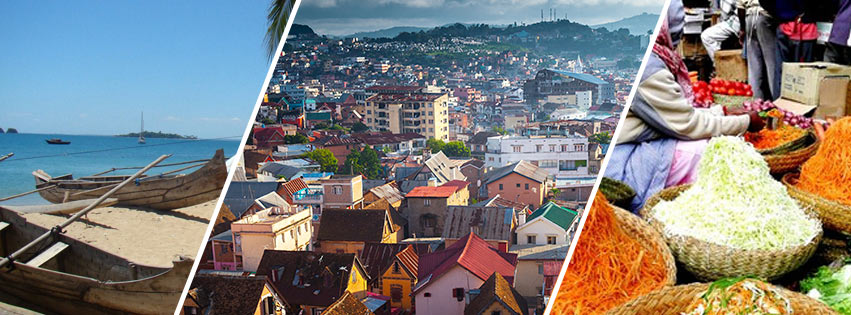 Antananarivo, The capital of Madagascar is one of the most vibrant cities in all of Africa with rich historical, architectural and cultural sites all over the hillside city with palaces and churches along the cobbled streets.
 Masoala National Park features ten species of lemur, including the Aye-aye, the world’s largest nocturnal primate. The park is also home to a diverse array of birds and reptiles, including the Tomato frog, named for its bright red color.
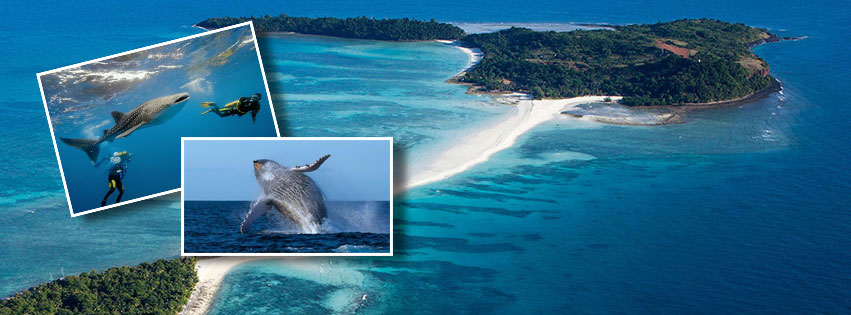 Nosy Be is one of Madagascar’s premier tourist spots with tropical climate, turquoise water which make Nose Be’s beaches ideal for swimming as the water remain shallow for miles out to sea.
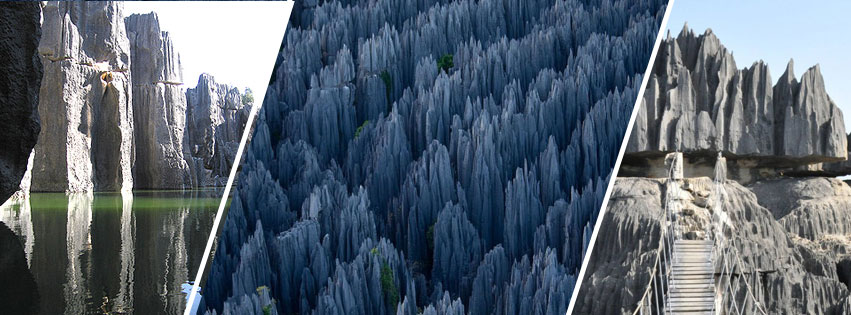 The Tsingy de Bemaraha Reserve features a broad expanse of mangrove forest. The park is home to seven lemur species, including the Decken’s sifaka, a genus of lemur notable for its creamy white fur and black face.
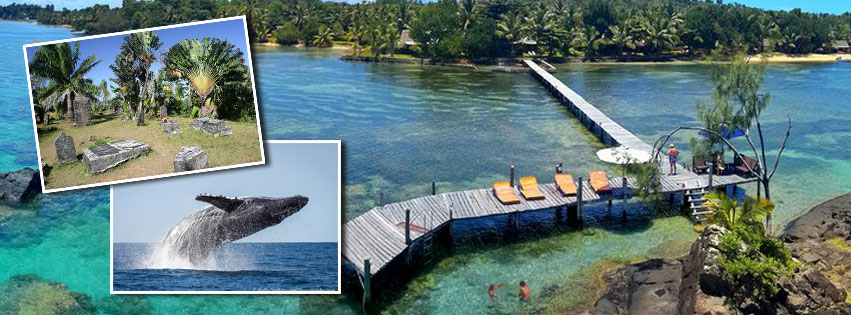 Ile Sainte Marie-Once attracting pirates, the still clear waters here are ideal spots for snorkeling and migrating humpback whales visit the island during summer and early fall.
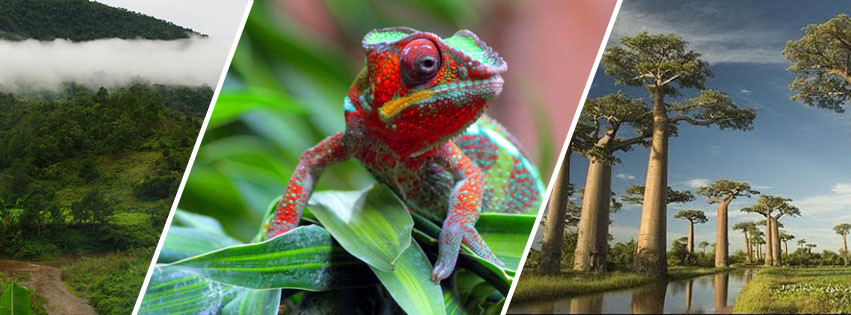 Ranomafana National Park is one of the nation’s most popular parks, with numerous streams splashing through densely forested hills. The park is home to the endangered golden bamboo lemur, an animal whose diet includes bamboo shoots that contain doses of cyanide that would be lethal to other animals.
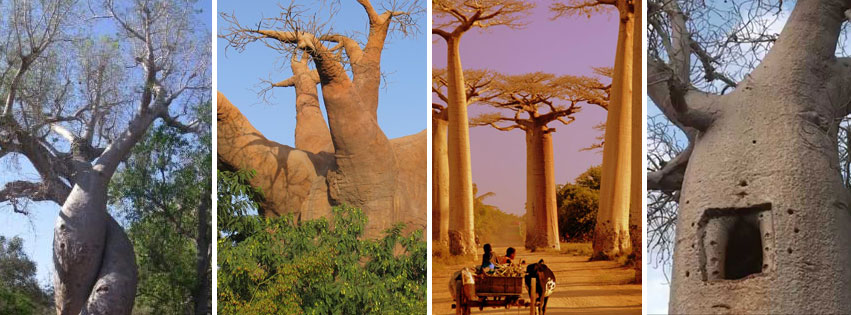 Avenue of Baobabs is a group of Boabab trees lining the dirt road between Morondava and Belon’s Tsiribihina in western Madagascar. Its striking landscape makes it the most visited locations in the region.
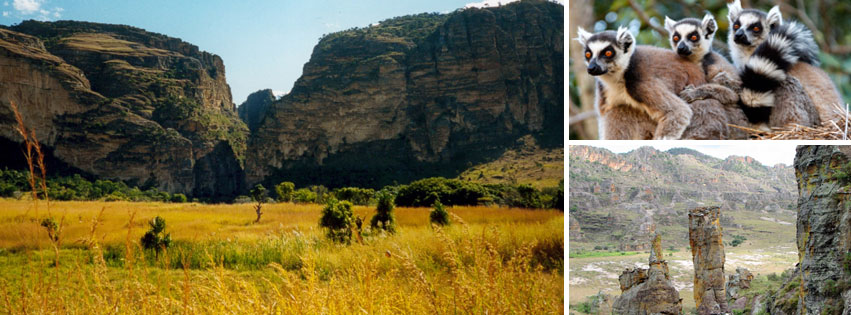 Isalo National Park includes areas of grassland, steep canyons and eroded uniform sandstone formations dating back to Jurrasic period, all dotted by occasional pools lined by palm trees oasis It is the best place to see ring tailed Lemurs and white sifakas.
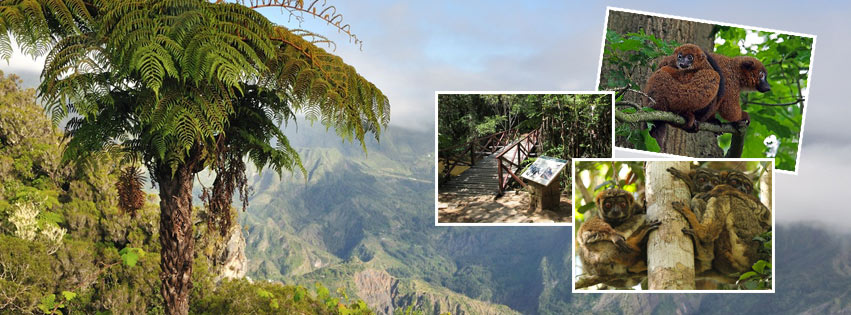 Andasibe National Park is the most accessible rainforest reserve with several varieties of fern, epihyts, creepers and dwarf palm trees and is home to eleven lemur species, including the country’s largest lemur, the Indri and several species of birds, reptiles and insects.